
Loggerhead Sea Turtle
Cape Verde hosts one of the largest loggerhead sea turtle nesting populations in the world, with thousands of females coming ashore on the islands' dark volcanic beaches each year to lay their eggs.
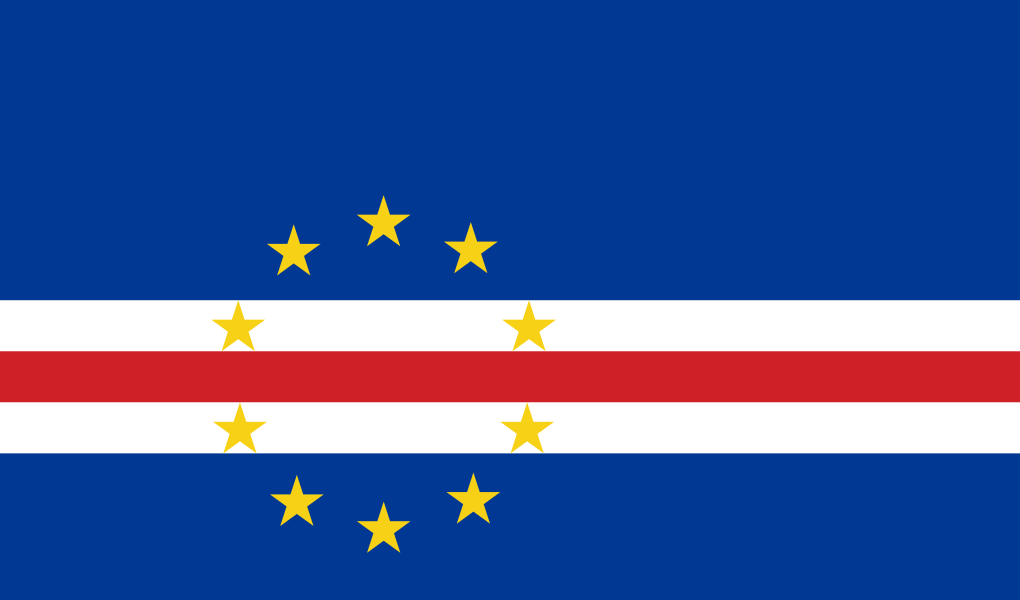
Flag of Cape Verde
Field Report
Cape Verde is a small island nation made up of ten volcanic islands scattered in the Atlantic Ocean, closer to Africa than to any other continent and far enough out to sea that clouds of Saharan dust sometimes drift over them from the desert. It is a place where the ocean shapes almost everything — what people eat, how they make a living, and why so many Cape Verdeans have sailed away to live in other countries around the world. About 600,000 people call Cape Verde home, and most of them speak a Portuguese-based creole language that developed right there on the islands centuries ago.
From the Field Notebook
Loggerhead Sea Turtle
Cape Verde hosts one of the largest loggerhead sea turtle nesting populations in the world, with thousands of females coming ashore on the islands' dark volcanic beaches each year to lay their eggs.
Cape Verde Warbler
This small brown songbird lives only on a few of the Cape Verde islands and nowhere else on earth, making it one of the rarest birds in the Atlantic.
Humpback Whale
Humpback whales pass through the warm waters around Cape Verde each winter, and local fishermen have watched these giants breach and sing in the channels between the islands for generations.
Cachupa
Cachupa is Cape Verde's national dish, a slow-cooked stew of hominy corn, beans, and whatever meat or fish the family has on hand, eaten for breakfast, lunch, or dinner depending on how it is prepared.
Grogue
Made from pressed sugarcane grown on the island of Santo Antão, grogue is a strong local spirit that also flavors candies and syrups used in everyday Cape Verdean cooking.
Pastel de Atum
These small fried pastries are stuffed with spiced tuna and eaten as a street snack, reflecting how central the ocean's fish are to the Cape Verdean diet and daily life.
Cape Verde is an archipelago of ten volcanic islands sitting in the Atlantic Ocean about 570 kilometers off the west coast of Africa, and not a single person lived there before Portuguese sailors arrived in 1456.
The islands sit right in the path of the Saharan dust plume, so on some days the sky turns a hazy orange as fine sand carried by the wind travels hundreds of miles across the ocean from the African desert.
Cape Verde has almost no fresh water of its own — most of the islands receive very little rain, and for much of history people collected water from fog and morning dew just to survive.
Cape Verdeans have spread across the globe in such large numbers that there are actually more people of Cape Verdean descent living outside the islands than living on them, with large communities in the United States, Portugal, and the Netherlands.
The Cape Verdean music style called morna is recognized by UNESCO as part of the world's cultural heritage — it is a slow, soulful genre that Cape Verdeans say carries the feeling of longing they call saudade, a deep homesickness for people and places they love.
Daily Life
76
Years life expectancy
88%
Can read and write
93%
Kids go to school
Missions Field Report
Cape Verde is home to 5 distinct people groups — 2 of them haven’t yet heard about Jesus.
Most Cape Verde's people follow Christianity (84.3%). Evangelical Christians make up about 8.2% of the population.
What People Believe
Unreached People Groups
These are communities of people who haven’t had the chance to hear about Jesus yet. They need missionaries — and they need kids like you to pray for them.
Fulani, Adamawa
64,000 people
Deaf
2,800 people
Prayer Journal
Tick each one as you pray. God hears every word.